
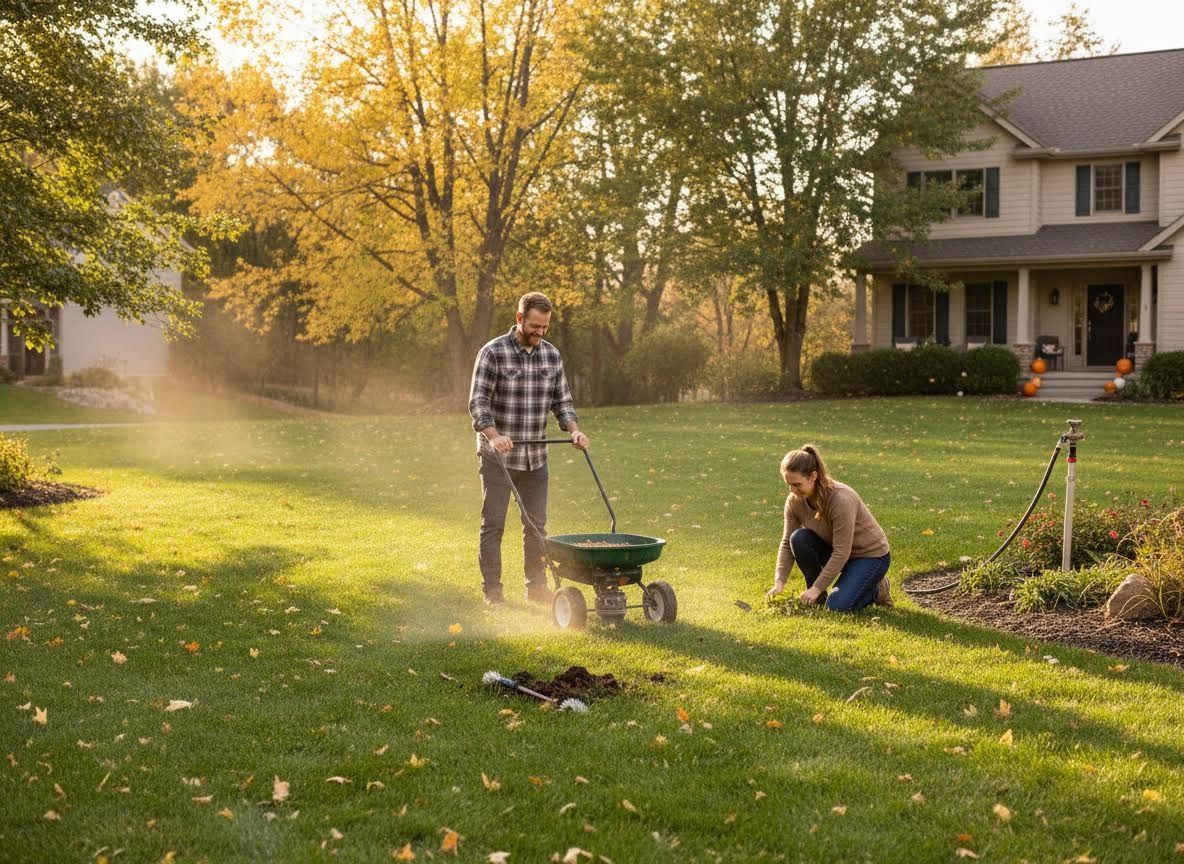
As the vibrant colors of summer begin to fade, many homeowners shift their focus indoors, but fall remains a critical season for nurturing your lawn. Preparing your lawn for the cooler months ahead through proper fertilization is key to its resilience and vigor come spring. With over two decades of dedicated service, Bigelow Outdoor Services LLC understands the unique needs of West Michigan properties during this pivotal time. A well-executed fall lawn care strategy ensures a lush, healthy turf next year.
Why Fall Fertilization is Crucial
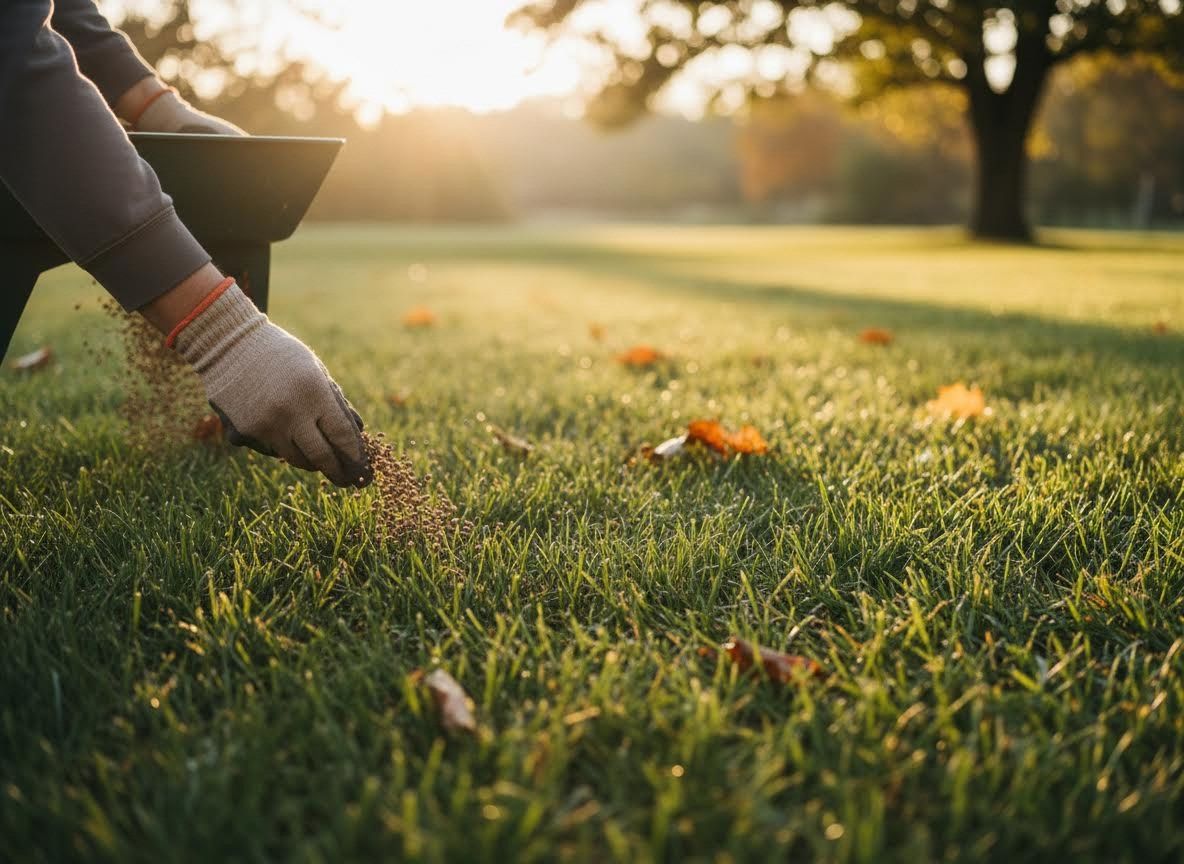
Fall fertilization is often considered the most important feeding for your lawn throughout the year. During this period, grass plants are actively absorbing nutrients to strengthen their root systems rather than focusing on top growth. This deeper root development helps your lawn withstand the harshness of winter, reducing stress and promoting quicker green-up in the spring. It also improves turf density, making your lawn more resistant to diseases and pests, and better equipped to outcompete emerging weeds.
Timing and Type of Fertilizer
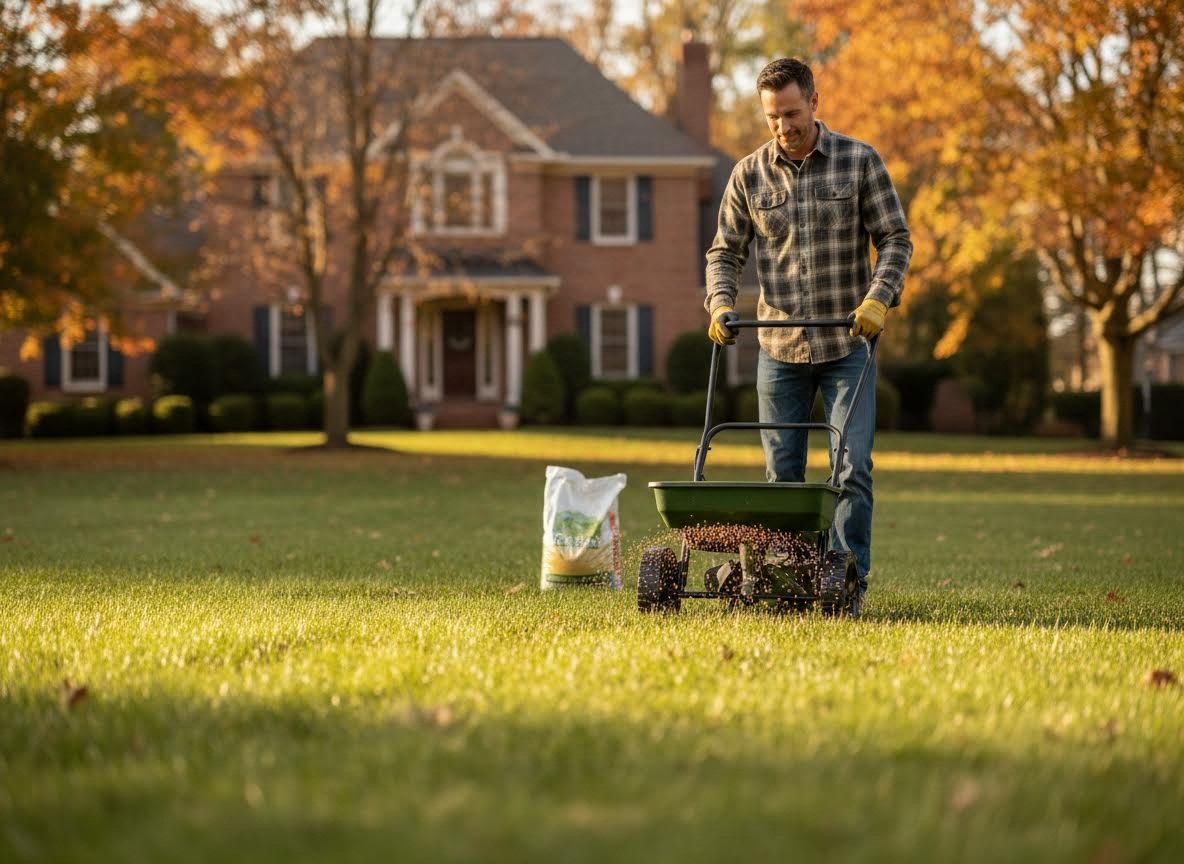
The ideal window for fall fertilization in West Michigan typically falls between late August and late October, before the ground completely freezes. It's best to apply fertilizer when temperatures begin to consistently cool, but while the grass is still actively growing. Selecting the right type of fertilizer is equally important. Look for "winterizer" formulas, which are usually higher in potassium (the third number in the NPK ratio) to enhance root development and cold tolerance. Nitrogen (the first number) is also important in a slow-release form to provide sustained feeding without encouraging excessive top growth that could be damaged by frost.
Fall Practices for a Robust Lawn
Beyond fertilization, several other practices contribute to a robust fall lawn. Addressing broadleaf weeds before they go dormant is essential, and the strategic application of a lawn care weed killer can prevent them from re-emerging vigorously in spring. Aeration can also significantly improve nutrient uptake from fertilization by reducing soil compaction. Ensuring adequate moisture is crucial, especially during dry spells; while not directly about irrigation system installation, proper watering supports the absorption of nutrients. For properties with existing systems, timely irrigation maintenance, including winterization, is vital to protect against freezing temperatures and ensure functionality for the following season.
A proactive approach to fall lawn care, particularly through strategic fertilization, sets the foundation for a vibrant and resilient lawn when spring arrives. By strengthening roots and improving overall plant health, you’re investing in your property’s long-term beauty and vitality. If you're seeking reliable lawn fertilization and weed control services that understand the specific demands of the West Michigan climate, consider connecting with Bigelow Outdoor Services LLC. Learn more about how expert care can transform your outdoor space.