
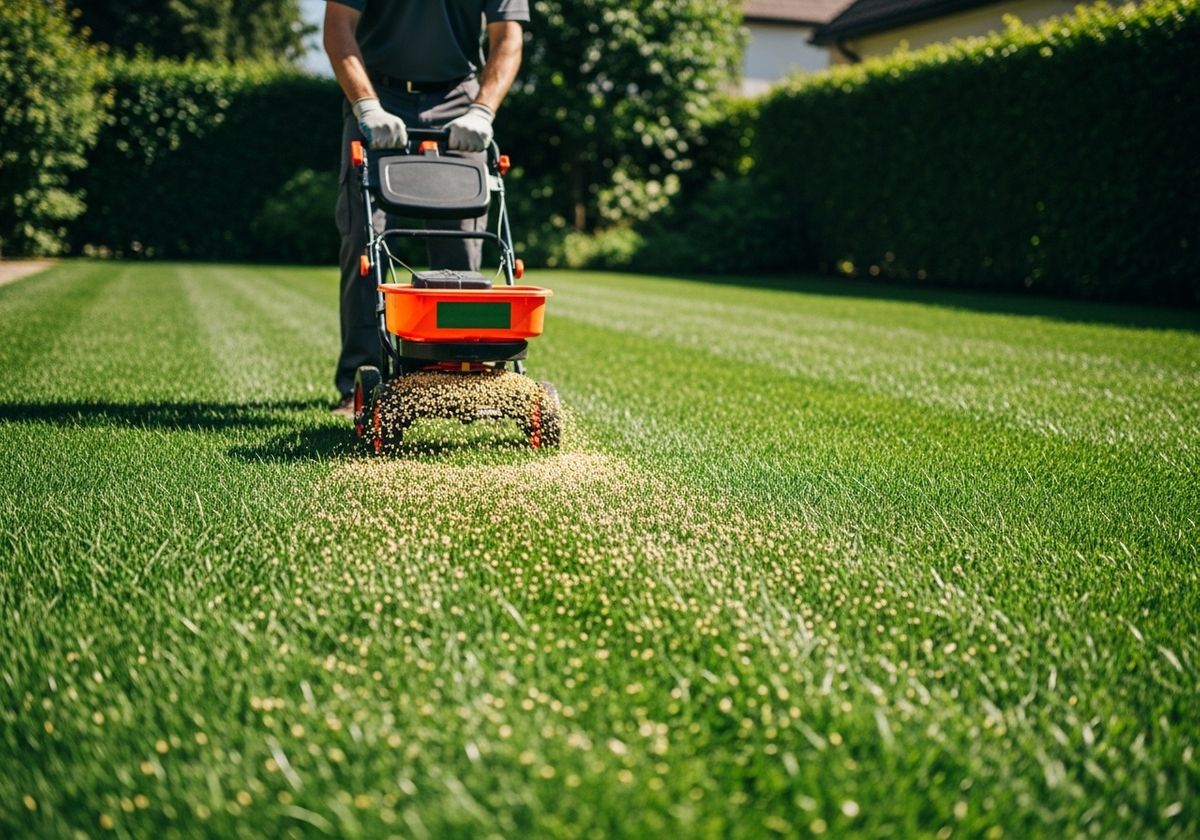
A vibrant, healthy lawn is the pride of any homeowner, but achieving that lush, green carpet requires more than just regular mowing and watering. At Bigelow Outdoor Services, we know that proper fertilization is the real secret to maximizing your lawn's health and vitality. Understanding how professional fertilization contributes to a thriving landscape can transform your outdoor space into the best-looking yard on the block.
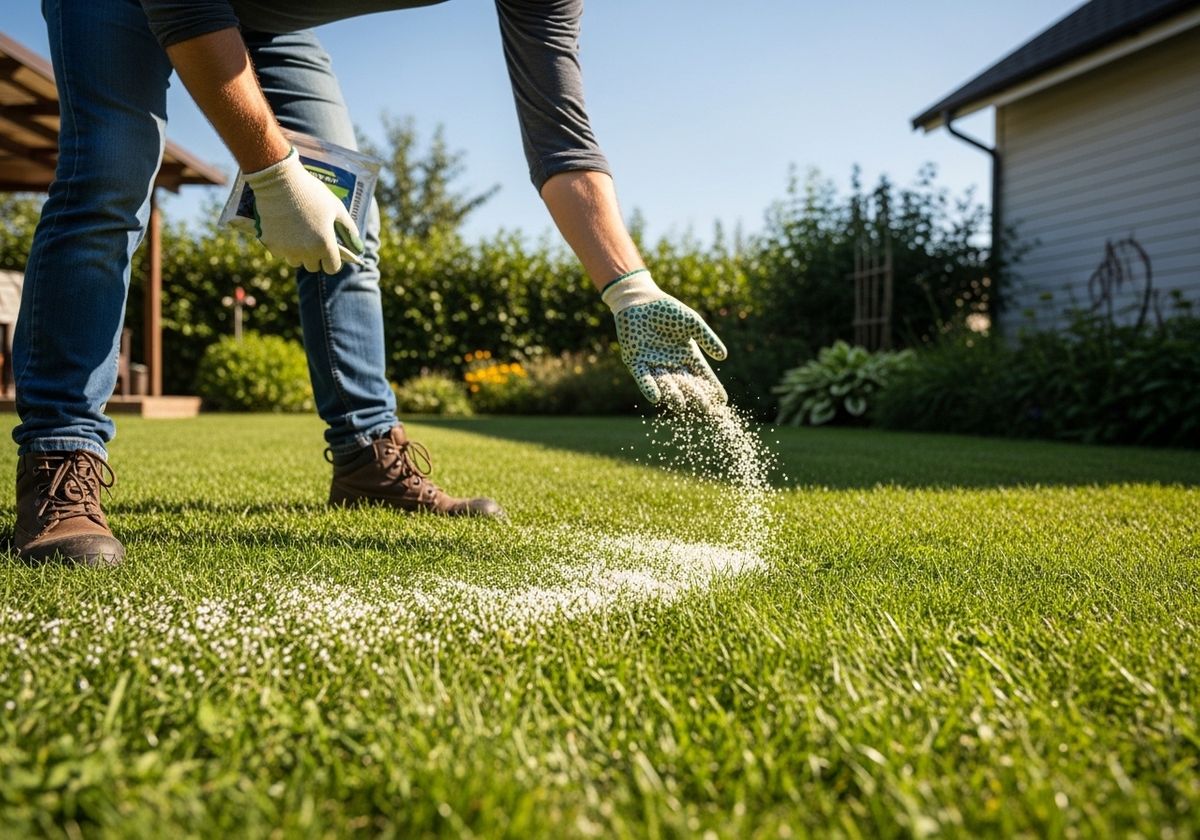
The Importance of Lawn Fertilization
Fertilizers provide essential nutrients that grass needs to grow strong and resist disease. Just like any living thing, grass requires a balanced diet of nutrients, including nitrogen, phosphorus, and potassium. These elements play critical roles in:
Promoting healthy growth: Nitrogen fuels leaf and stem development, resulting in a thicker, greener lawn.
Strengthening roots: Phosphorus supports robust root development, helping grass access water and nutrients from the soil.
Enhancing disease resistance: Potassium improves the overall health and resilience of grass, making it less susceptible to diseases and environmental stressors.
Without adequate fertilization, your lawn may become thin, weak, and prone to weed infestations and diseases. Regular fertilization ensures that your grass receives the nutrients it needs to thrive.
Different Types of Lawn Fertilizers
Choosing the right fertilizer for your lawn can seem daunting, but understanding the different types available can simplify the process. Fertilizers are typically classified based on their nutrient content, release rate, and form.
Nutrient Content: Fertilizers are labeled with three numbers representing the percentage of nitrogen (N), phosphorus (P), and potassium (K) they contain. For example, a 10-10-10 fertilizer contains 10% each of nitrogen, phosphorus, and potassium. Soil testing can help determine the specific nutrient needs of your lawn.
Release Rate: Fertilizers can be either slow-release or quick-release. Slow-release fertilizers provide a steady supply of nutrients over an extended period, while quick-release fertilizers deliver a burst of nutrients for immediate results. Slow-release fertilizers are generally preferred for their long-lasting effects and reduced risk of burning the grass.
Form: Fertilizers come in granular and liquid forms. Granular fertilizers are applied using a spreader, while liquid fertilizers are sprayed onto the lawn. Liquid fertilizers are often used for quick nutrient uptake, while granular fertilizers are ideal for long-term feeding.
Maximizing Lawn Health Through Proper Fertilization
To get the most out of your lawn fertilization efforts, consider the following tips:
Soil Testing: Before applying any fertilizer, conduct a soil test to determine nutrient levels. This will help you choose the right fertilizer and avoid over-fertilization.
Timing: Fertilize your lawn during the active growing season, typically in the spring and fall. Avoid fertilizing during periods of dormancy or extreme heat.
Application: Apply fertilizer evenly across your lawn using a spreader or sprayer. Follow the manufacturer's instructions for application rates and techniques.
Watering: Water your lawn thoroughly after applying fertilizer to help the nutrients penetrate the soil and reach the roots.
Addressing Specific Lawn Care Needs
Beyond general lawn fertilization, specific issues may require targeted solutions. For example, if you notice yellowing leaves, your lawn may be deficient in iron and may require a specialized iron supplement. Similarly, compacted soil can hinder nutrient absorption, necessitating aeration to improve soil structure.
Additionally, consider these related services to enhance your lawn's health:
Lawn Care: Finding a local lawn care expert ensures tailored advice and services specific to your region's climate and soil conditions.
Tree Fertilization: Just like your lawn, trees benefit from fertilization to promote healthy growth and disease resistance.
Irrigation System Repairs: A well-maintained irrigation system ensures your lawn receives adequate water, complementing the effects of fertilization. Consider repairing the irrigation system to optimize water distribution.
New Sprinkler System Installation: Upgrading to a new sprinkler system installation can improve water efficiency and coverage, maximizing the benefits of fertilization.
Fertilization is a cornerstone of effective lawn care, providing essential nutrients that promote healthy growth, strong roots, and disease resistance. By understanding the different types of fertilizers, following proper application techniques, and addressing specific lawn care needs, you can unlock the full potential of your outdoor space. Bigelow Outdoor Services is dedicated to providing top-notch lawn care services, including expert lawn fertilization, to help you achieve the lawn of your dreams. Contact us today to learn more about our lawn fertilization and tree fertilization programs, and discover how we can help you achieve a vibrant, healthy landscape.